Gardening and Climate Change:
Practical Ways to Create a More Sustainable Garden
Climate change can feel like a huge, complicated problem, and it is. This page isn’t about debating the causes or presenting statistics. Instead, I'm focusing on what we can do in our gardens to make a difference. Whether you want to support wildlife, save water, or create a more resilient garden, these practical ideas will help you take action. Below I make suggestions about garden structures and boundaries, sustainable planting, water management, lawns and green spaces, plus best sustainable gardening tips.
Garden Structure & Boundaries
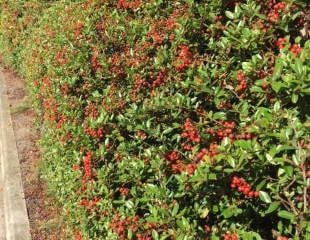
Hedges instead of fences. Hedges provide habitats for insects and birds, which helps to maintain the natural equilibrium of the garden. But it's more than that. We have had several heatwaves, and in hot weather, birds suffer, and they head to shrubs and trees to stay cool. Hedges can also help to reduce pollution and mitigate flooding. If your property has fences that have to stay, consider making them green fences by growing hedges in front of them, or climbing plants to clothe the fence in greenery.
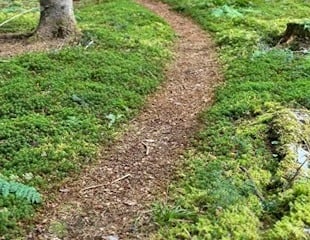
If possible, reduce the amount of hard landscaping in a garden. This is particularly relevant in areas of flooding where the hard landscaping makes it difficult for water to filter away, which can add to the amount of standing water, raising the flood threat. There are natural permeable landscaping materials such as gravel, bark chips, grass, stone aggregate and shells. You can create paths out of bark chips, rather than say paving slabs, which will allow for water to run off, and you get the pleasure of watching blackbirds chuck the bark chips around, because they love it. If you want a more structured feel, there are manufactured goods to choose from.
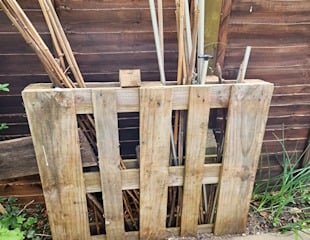
Reuse and recycle to save on buying manufactured goods. Lots of everyday items can be reused and fashioned into plant containers, pallets can be really useful, and I always save prunings to make garden supports and stakes.
Sustainable Planting
Constantly watering plants to keep them alive is not a sustainable practice. Avoiding wasteful watering involves growing plants in the ground, not containers, and growing tough plants which are drought-tolerant. The vogue for container planting is waning. Choose from a great range of drought-tolerant plants.
Like any other consumables, plants can travel a good number of air miles. The largest exporter of garden plants is the Netherlands, which, although a relative neighbour in global terms, the plants still travel a long way, a lot of it by road. There is an increasing trend for garden centres to revert to nurseries growing their own plants. Many garden centres now offer their own plants for sale and have developed environmental policies published online. There is also a directory of organic nurseries which offer for sale sustainably grown plants which are pesticide-free.
A Google search for "Garden Centres which grow their own plants" will produce a surprising number of results.
You can, of course, raise some plants from seed, which is cheaper and usually less air miles, subject to the provenance of the seed.
Tips and advice about growing with peat free compost.
Water Management
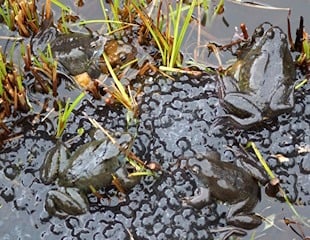
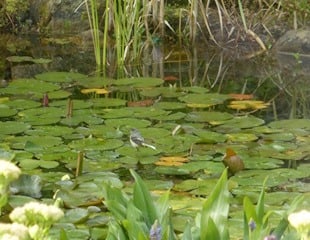
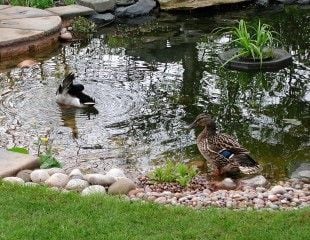
It may not seem like it when we are stuck in a wet winter or summer floods, but water is a precious resource which we need to conserve carefully. Apart from growing plants that are simply less thirsty, we can save rainwater, which is pH-balanced and better suited for garden plants and free. It is estimated that 24,000 litres of rain will hit the average roof each year, a free garden resource. Water bills have gone through the roof, and watering is expensive. You can reuse rainwater collected in water butts from downpipes. Water butts also slow down the flow of water during heavy downpours, helping to stem flooding. You can also get slow-release water butts designed to help with flooding.
Gravel gardens require no or minimal watering. I am creating a gravel garden in 2026 because there was just too much watering during the droughts of preceding years. The concept is simple: in a weed-free area of the garden, plant with drought-tolerant plants and shrubs, and cover with gravel to suit your garden and to a level to suppress weeds. You can lay a membrane if you want, or not, if you want the plants to self-seed.
It may seem counterintuitive to mention ponds under water conservation, but sustainable gardening is also about supporting wildlife. Having a garden pond, however small, is one of the most positive things you can do for wildlife in your garden. Ponds attract frogs, newts, birds, dragonflies, hawkers, aquatic insects such as pond skaters and water boatmen. You must have a shallow end with a sloping beach to allow pond access and prevent drowning. Building your own pond is easier than it looks.
Lawns and Green Spaces
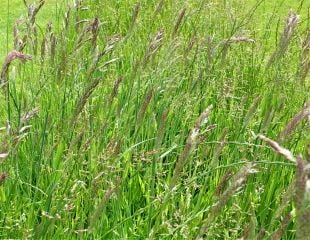
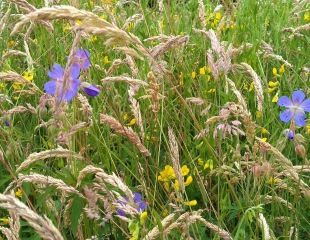
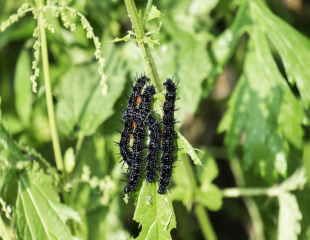
It's becoming popular, for good environmental reasons, to let an area of the garden to go wild. This encourages biodiversity and allows native plants, or weeds as we may think of them. But they are important. Many of our endangered species are attracted to a limited palette of plants. Peacock caterpillars only feed on nettles (image top right), willowherbs, especially bay willow, which is considered a weed, but is popular with many moths and butterflies, especially the elephant hawk moth.
"Chop and drop" is also gaining popularity. When cutting down plants, typically herbaceous and perennial plants, after chopping them, drop the cuttings onto the ground and allow them to decompose naturally, usually over winter. This feeds and mulches the soil and mimics the natural process. It is easiest with soft perennials, ideally you want plants which break down quickly and are not massive self-seeders.
The harder prunings from shrubs and hedges can be used to make log piles to provide shelter for insects.