Wildlife Gardening: Create a Garden for Nature

Welcome to the home of Wildlife Gardening
Making a welcoming space for bees, butterflies, birds, frogs, and other beneficial wildlife creates a wildlife-friendly garden. Enjoying a garden with the sounds of nature is so rewarding, and it's easier than you might think. The size of your garden doesn't matter: provide food, water, shelter and nesting spots and wildlife will follow.
This hub brings together more than 10 guides covering different aspects of wildlife gardening. Every article is based on practical experience and illustrated with photographs I have taken in my own garden and the many gardens I visit, showing simple, natural ways to bring more wildlife to your doorstep.
Creating a Wildlife Friendly Garden
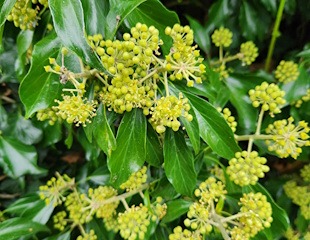
A wildlife-friendly garden encompasses many types of gardens and planting.
It can range from a border with pollinator-friendly plants to a garden with wildflower patches, no mow lawns, ponds and planted throughout with specialist plants. But you can pick and mix, from the guides below, to show how much you want to do in your garden.
Water: Key to attracting Wildlife
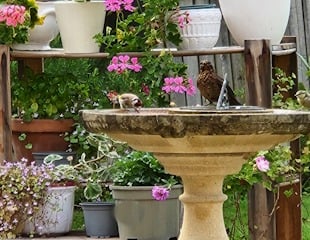
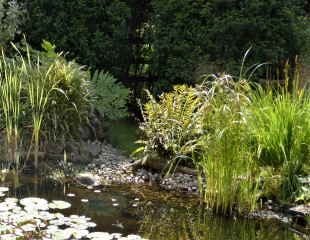
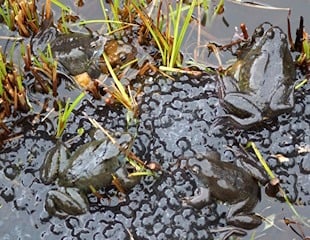
Water is essential to all wildlife. If you have water in your garden, whether by creating a small pond, filling an upturned container, or bird bath, it will provide comfort to wildlife and so attract them into your garden. Birds, small mammals, pollinators, all need a water source, and it need not be expensive: easy and inexpensive ways to bring water into the garden.
I love a garden pond and in each garden we have built a pond, and it's not too demanding. There is a step-by-step guide with images from my own gardens, showing how to make a pond and the end results.
How to Attract Birds into your garden

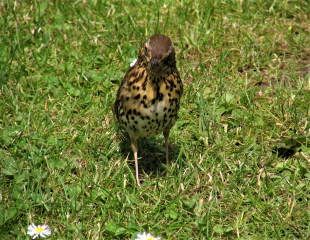
What a joy to watch birds on the feeders, flitting around the shrubs and having a wash and soak in the bird bath.
That sentence encapsulates all you need to attract birds into your garden: food, shelter, nesting and most importantly, water.
A few years ago, whilst in transit, I moved into a rented house with a mostly paved back garden with a few shrubs, and few birds. I had brought a lot of garden with me, so I added my bird bath, bird feeders, lots of pots and containers of plants, and herbs, and within a week the birds arrived.
More information plus detailed suggestions of bird-berry-friendly shrubs.
Gardening for Bees
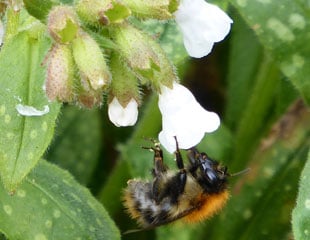
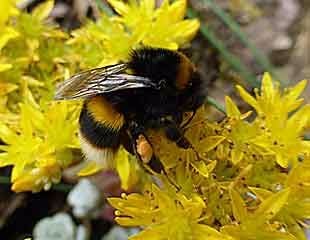
Bees are vital, and from the first beginnings of late winter and early spring through to December, Bees need food. Over the years, I've planted a wider range of more diverse plants. I notice bees get attracted to different plants throughout the growing year.
It's just lovely in the winter to see a bee flying onto a winter flowering Pulmonaria, just one of the many late winter and spring flowers which bees are attracted to.
And not forgetting bumblebees and how our planting can help them.
Gardening for Butterflies
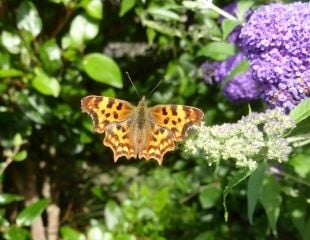
To attract butterflies into your garden, it's worth bearing two things in mind.
Butterflies like nectar-rich plants, which are often quite simple plants. Aromatic leaves figure figure quite often, and diversity is important.
Some butterflies have a strong preference for specific plants, and some will only lay their eggs on specific plants and wildflowers.
Lots of inspiring images, plant information and videos, plus detailed lists of plants preferred for egg laying: Plants for Butterflies.